1. Introduction
As the frost of February melts into the gentle thaw of March, the kitchen undergoes a transformation. We move away from the heavy, spice-laden comforts of winter—the gingerbreads and the dense fruitcakes—and lean toward the light, the zesty, and the vibrant. Spring baking is a celebration of renewal. It’s the season where we welcome the first stalks of rhubarb, the fragrant zest of citrus, and the delicate crumb of sponge cakes that catch the afternoon sun.
The transition to March baking is culturally significant across many parts of the world. In many traditions, these desserts symbolize the “awakening” of the earth. Whether it’s a light Italian lemon cake or a classic British fruit fool, the goal is to highlight freshness. The unique aspect of March baking lies in its simplicity; you don’t need complex techniques to let a high-quality strawberry or a perfectly ripened lemon shine. This guide focuses on accessible, “low-stress, high-reward” recipes that make your home smell like a blooming garden.
2. Recipe Overview: The Signature Lemon-Almond Spring Cake
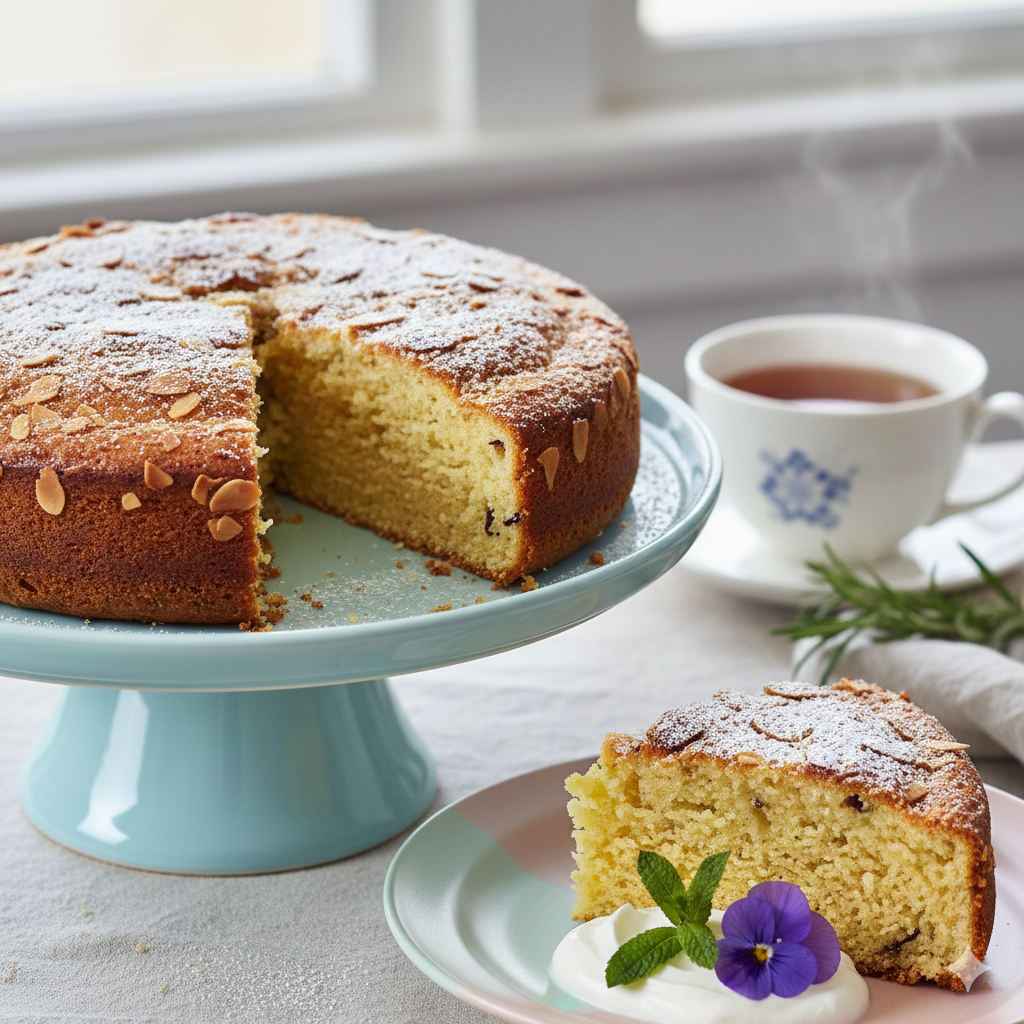
To represent the essence of March, we are focusing on a Gluten-Free Lemon Almond Cake. It is the quintessential spring dessert—moist, bright, and incredibly easy to assemble.
- Cuisine Type: Mediterranean-Inspired
- Difficulty Level: Easy (Beginner-friendly)
- Total Time: 55 minutes (15 mins prep, 40 mins bake)
- Dietary Classifications: Vegetarian, Gluten-Free, Dairy-Free (optional)
3. Equipment and Tools
To ensure success, gather the following specific kitchen tools:
- Springform Pan: 9-inch (23 cm) diameter. This is crucial for delicate spring cakes to ensure clean removal without flipping the cake.
- Mixing Bowls: One large glass bowl for wet ingredients; one medium bowl for dry.
- Zester/Microplane: For fine citrus zest (avoid the bitter white pith).
- Whisk & Rubber Spatula: For folding ingredients to maintain aeration.
- Parchment Paper: Pre-cut circles or a roll to line the base.
- Cooling Rack: To prevent the bottom from becoming soggy.
4. Serving Suggestions
- Plating: Serve a slice on a pastel-colored ceramic plate.
- Garnish: A light dusting of powdered sugar and a few sprigs of fresh mint or edible pansies.
- Sides: A dollop of Greek yogurt or lightly sweetened mascarpone cream.
- Beverage Pairings: Pairs beautifully with Earl Grey tea, a crisp Prosecco, or an iced elderflower cordial.
5. Nutritional Information (Per Serving)
- Calories: 285 kcal
- Macronutrients: * Carbs: 22g
- Protein: 8g
- Healthy Fats: 19g (primarily from almond flour)
- Health Benefits: High in Vitamin E and antioxidants from citrus. Lower glycemic index than traditional flour cakes.
6. Storage and Reheating
- Storage: Keep in an airtight container at room temperature for up to 2 days.
- Refrigeration: Up to 5 days. Note that almond-based cakes stay moist longer than wheat cakes.
- Freezing: Wrap tightly in plastic wrap and foil. Freezes well for up to 3 months.
- Reheating: If chilled, let it sit at room temperature for 30 minutes or microwave for 10 seconds to soften the healthy fats.
7. Expert Tips and Variations
- The “Zest Secret”: Rub the lemon zest into the sugar with your fingertips before adding other ingredients. This releases the essential oils for a deeper flavor.
- Variation – The “Berry Burst”: Fold in 1/2 cup of fresh raspberries before baking.
- Variation – The “Herbaceous Twist”: Add 1 teaspoon of finely chopped fresh rosemary for a sophisticated, savory edge.
- Avoid Over-mixing: Once the eggs are in, whisk just until combined to keep the texture light.
8. Ingredients Section
Measurements provided in Imperial and Metric.
- Almond Flour: 3 cups (300g) – Use “super-fine” for the best crumb.
- Eggs: 4 large (room temperature).
- Granulated Sugar: 3/4 cup (150g).
- Lemon Juice: 3 tablespoons (45ml) – Freshly squeezed only.
- Lemon Zest: 2 tablespoons (from approx. 2 large lemons).
- Baking Powder: 1 teaspoon (5g).
- Salt: 1/4 teaspoon (1.5g) fine sea salt.
- Slivered Almonds: 1/4 cup (optional, for topping).
9. Step-by-Step Instructions
- Preheat and Prep: Heat your oven to $350^{\circ}F$ ($175^{\circ}C$). Grease your 9-inch springform pan and line the bottom with parchment paper.
- Dry Ingredients: In a medium bowl, whisk together the almond flour, baking powder, and salt. Ensure there are no large clumps of flour.
- Sugar-Zest Infusion: In a large bowl, combine the sugar and lemon zest. Use your fingers to massage the zest into the sugar until it smells highly aromatic and looks slightly damp.
- Wet Ingredients: Add the eggs to the sugar mixture and whisk vigorously for 2 minutes until the mixture is pale and slightly frothy. Whisk in the lemon juice.
- Combine: Gently fold the dry ingredients into the wet mixture using a rubber spatula. Stop as soon as no streaks of flour remain.
- Bake: Pour the batter into the prepared pan. Smooth the top and sprinkle with slivered almonds if using. Bake for 35–40 minutes.
- The Doneness Test: The cake is ready when the edges are golden brown and a toothpick inserted into the center comes out clean.
- Cooling: Allow the cake to cool in the pan for 10 minutes, then run a knife around the edge and release the springform sides. Transfer to a wire rack.
10. Frequently Asked Questions (FAQ)
Q: Can I use regular flour instead of almond flour?
A: No, this recipe relies on the moisture of the almonds. For a wheat-based cake, you would need to add butter or oil.
Q: Why didn’t my cake rise?
A: Almond flour cakes are naturally denser. Ensure your baking powder is fresh and that you whisked the eggs well enough to incorporate air.
Q: Is this cake too tart?
A: It is balanced. The sugar offsets the lemon juice, but the zest provides a “bright” punch rather than a sour one.
Q: Can I make this vegan?
A: You can use a commercial egg replacer (like Just Egg) or flax eggs, though the cake will be slightly denser and less “spongy.”
Q: What is the best way to zest a lemon?
A: Use a microplane. Stop as soon as you reach the white part (the pith), as it is very bitter and can ruin the delicate flavor of the dessert.