1. Introduction
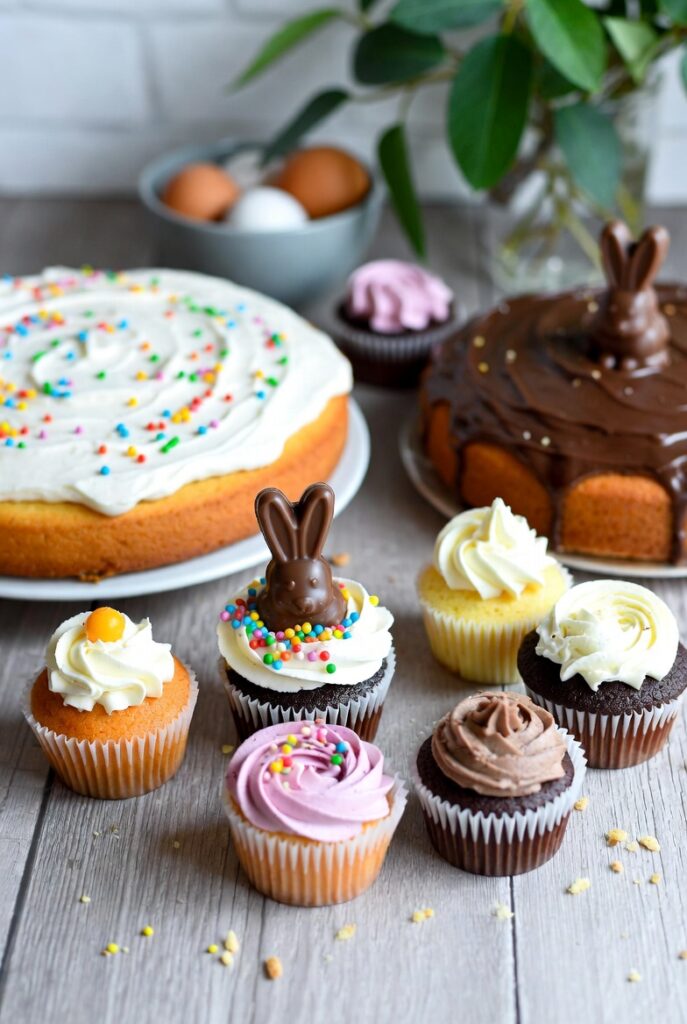
Easter is a time of vibrant colors, gathering family, and, most importantly, the sweet conclusion to a festive meal. For many, the holiday kitchen can feel intimidating with its complex bakes and intricate sugar work. However, the heart of Easter baking lies in simplicity and the celebration of spring’s arrival.
The tradition of “Easter sweets” dates back centuries, often symbolizing the end of Lenten restrictions. While grand cakes are famous, the No-Bake Easter Nest Crispies and the Simple Pastel Sheet Cake have become modern staples for beginners. These recipes are designed to be approachable, removing the stress of precise oven temperatures or complex leavening. They allow even the most novice baker to contribute something visually stunning and nostalgically delicious to the table. This guide focuses on the Easter Morning Pastel Sheet Cake—a recipe that is virtually fail-proof and infinitely customizable.
2. Recipe Overview
- Cuisine Type: Classic American Spring Baking
- Difficulty Level: Beginner
- Total Time: 55 minutes (Prep: 15 mins | Bake: 30 mins | Decorate: 10 mins)
- Dietary Classifications: Vegetarian (Can be made dairy-free or gluten-free with simple swaps)
3. Equipment and Tools
- Baking Pan: 9×13 inch (23×33 cm) rectangular pan, at least 2 inches deep.
- Mixing Bowls: One large bowl for dry ingredients and one medium bowl for wet ingredients.
- Whisk & Spatula: A sturdy balloon whisk for aerating and a silicone spatula for scraping.
- Toothpick or Skewer: For testing doneness.
- Wire Cooling Rack: Essential for preventing a soggy bottom.
- Measuring Cups/Spoons: Standard Imperial or a Digital Scale for Metric accuracy.
4. Serving Suggestions
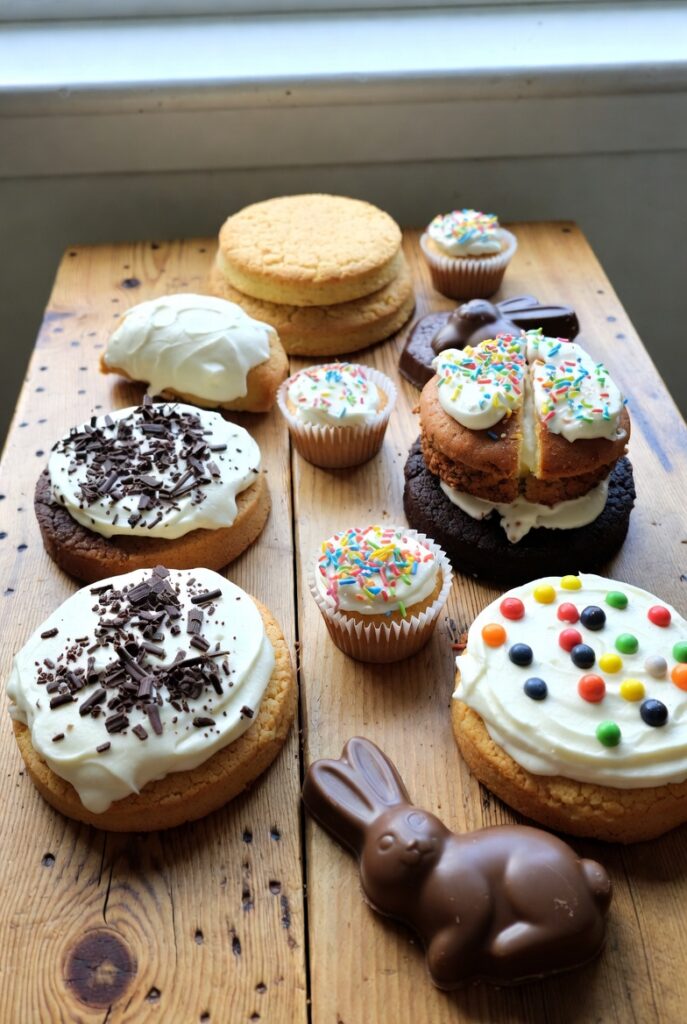
- Plating: Slice into generous squares and serve on pastel-colored plates.
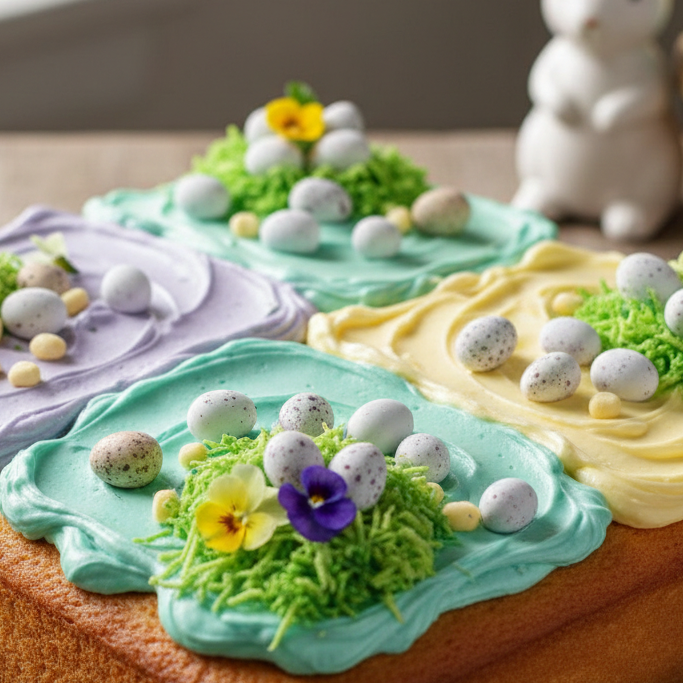
- Garnish: Top with malted milk eggs (Robin Eggs), shredded coconut “grass,” or edible pansies.
- Sides: A side of fresh sliced strawberries or a scoop of vanilla bean ice cream.
- Beverage Pairings: Serve with a Cold Brew Coffee or a Strawberry Hibiscus Iced Tea. For adults, a light Rosé pairs beautifully with the vanilla notes.
5. Nutritional Information (Per Square)
- Calories: 245 kcal
- Carbohydrates: 32g
- Protein: 3g
- Fat: 12g
- Health Note: This dessert provides a moderate energy boost. Using high-quality eggs provides a small amount of Vitamin D and Choline.
6. Storage and Reheating
- Storage: Cover the pan tightly with plastic wrap or transfer slices to an airtight container. Keep at room temperature for 3 days.
- Refrigeration: If using a cream cheese frosting, store in the fridge for up to 5 days.
- Freezing: This cake freezes beautifully. Wrap individual squares in parchment paper and then foil. Thaw at room temperature for 1 hour before serving.
7. Expert Tips and Variations
- The “Room Temp” Secret: Ensure your eggs and butter are at room temperature. This creates an emulsion that traps air, leading to a fluffier cake.
- Avoid Overmixing: Stop stirring as soon as the flour streaks disappear. Overworking the batter makes the cake “tough.”
- Variation – Citrus Twist: Add 2 tablespoons of lemon zest to the batter for a bright, spring-forward flavor.
- Variation – Confetti: Fold in 1/4 cup of rainbow sprinkles for a “Funfetti” Easter surprise.
8. Ingredients Section
| Ingredient | Metric | Imperial | Quality Tip |
| All-Purpose Flour | 315g | 2.5 Cups | Sift for a lighter crumb |
| Granulated Sugar | 300g | 1.5 Cups | Organic cane sugar works well |
| Unsalted Butter | 225g | 1 Cup (2 sticks) | High-fat European style is best |
| Whole Milk | 240ml | 1 Cup | Avoid skim milk for this recipe |
| Large Eggs | 3 pcs | 3 pcs | Use pasture-raised for golden color |
| Vanilla Extract | 10ml | 2 tsp | Use pure extract, not imitation |
| Baking Powder | 10g | 2 tsp | Ensure it is fresh (less than 6mo old) |
| Salt | 3g | 1/2 tsp | Fine sea salt |
9. Step-by-Step Instructions
- Preparation: Preheat your oven to 175°C (350°F). Grease your 9×13 pan with butter or cooking spray.
- Dry Mix: Whisk the flour, baking powder, and salt in a large bowl. This ensures the leavening agent is evenly distributed.
- Creaming: In another bowl, beat the softened butter and sugar until light and fluffy (about 3 minutes).
- Wet Ingredients: Add eggs one at a time, beating well after each. Stir in the vanilla extract.
- Combine: Alternately add the dry ingredients and the milk to the butter mixture. Start and end with the dry ingredients.
- Bake: Pour the batter into the prepared pan. Bake for 25–30 minutes.
- Visual Cue: The edges should be golden brown and pulling slightly away from the sides.
- Test: Insert a toothpick into the center; it should come out clean or with just a few moist crumbs.
- Cool: Let the cake cool completely in the pan on a wire rack before frosting.
10. Frequently Asked Questions (FAQ)
- Can I use a cake mix instead? Absolutely. To make it “homemade,” swap the water for milk and the oil for melted butter.
- Why did my cake sink in the middle? This usually happens if the oven door is opened too early or if the baking powder is expired.
- How do I get the “Pastel” frosting color? Use gel food coloring rather than liquid; it provides vibrant color without thinning the frosting.
- Can I make this as cupcakes? Yes! Use the same batter, but reduce baking time to 18–22 minutes.
- What is the best frosting for beginners? A simple American Buttercream (butter, powdered sugar, milk, vanilla) is the easiest to handle.