1. Introduction: The Symphony of Spring
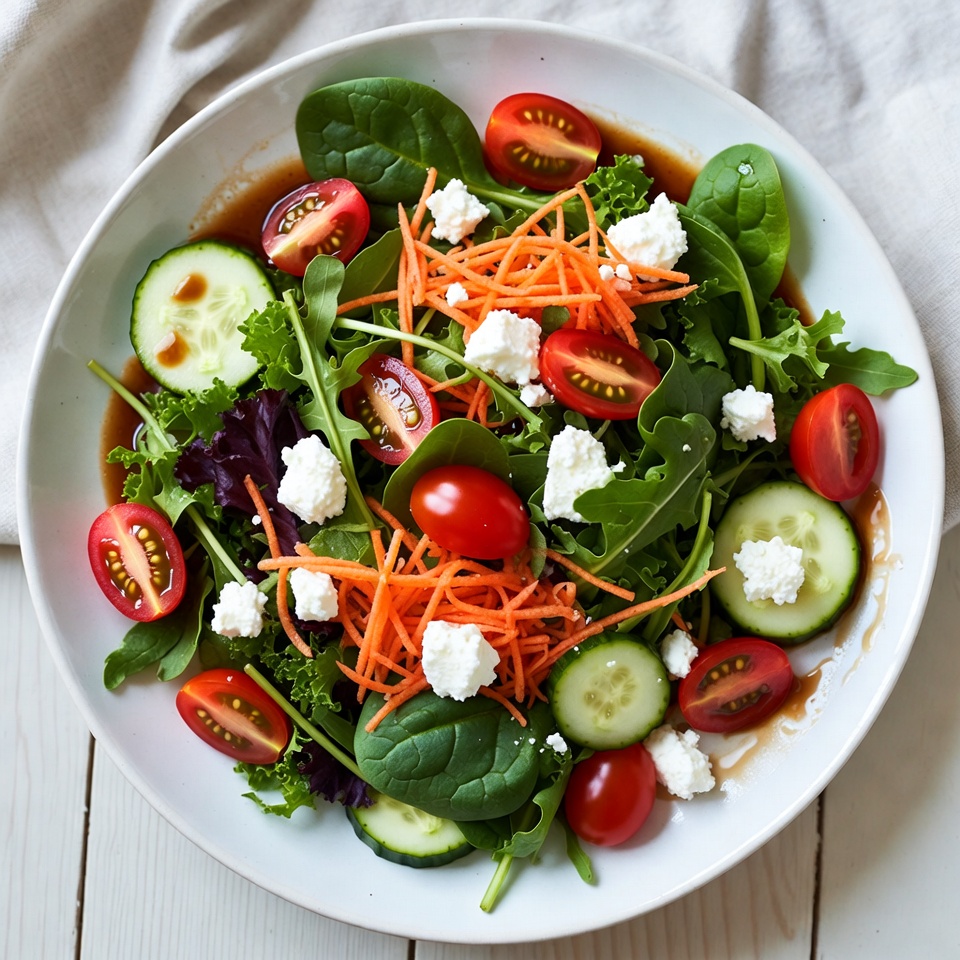
As the last frost retreats and the earth begins to exhale, the culinary world undergoes a dramatic transformation. After months of hearty stews, root vegetables, and heavy creams, the arrival of spring is a literal breath of fresh air. Spring salads are more than just a side dish; they are a celebration of renewal.
In many Mediterranean cultures, the first harvest of wild greens—known as Horta in Greece or mistic Anza in Italy—is treated with reverence. These salads aren’t just about nutrition; they represent the transition from the dormancy of winter to the vitality of summer. The unique charm of a spring salad lies in its fleeting nature. Ingredients like ramps, fiddlehead ferns, and pea shoots are available for only a few weeks, making every bite a precious experience.
Whether it’s a crisp radish and snap pea medley or a sophisticated arugula and strawberry balsamic fusion, spring salads focus on texture, brightness, and simplicity. The goal isn’t to mask the ingredients with heavy sauces, but to elevate their natural, peppery, and sweet profiles.
2. Recipe Overview
- Cuisine Type: Modern American / Mediterranean Fusion
- Difficulty Level: Easy to Intermediate
- Total Time: 20–30 minutes (no cooking required for most varieties)
- Dietary Classifications: Vegetarian, Gluten-Free, Vegan-Optional, Low-Carb
3. Equipment and Tools
To achieve professional-level results, ensure you have the following tools ready:
- Salad Spinner: Essential for removing excess moisture; dry leaves hold dressing better.
- Mandoline Slicer: For paper-thin radishes, cucumbers, and carrots (use a safety guard!).
- Large Stainless Steel Mixing Bowl: At least 5-quart volume to allow for “tossing room.”
- Mason Jar (8 oz): The gold standard for emulsifying vinaigrettes.
- Microplate: For zesting citrus and grating hard cheeses like Pecorino Romano.
- Chef’s Knife: 8-inch blade, freshly sharpened for clean cuts through delicate herbs.
4. Serving Suggestions
Plating Recommendations
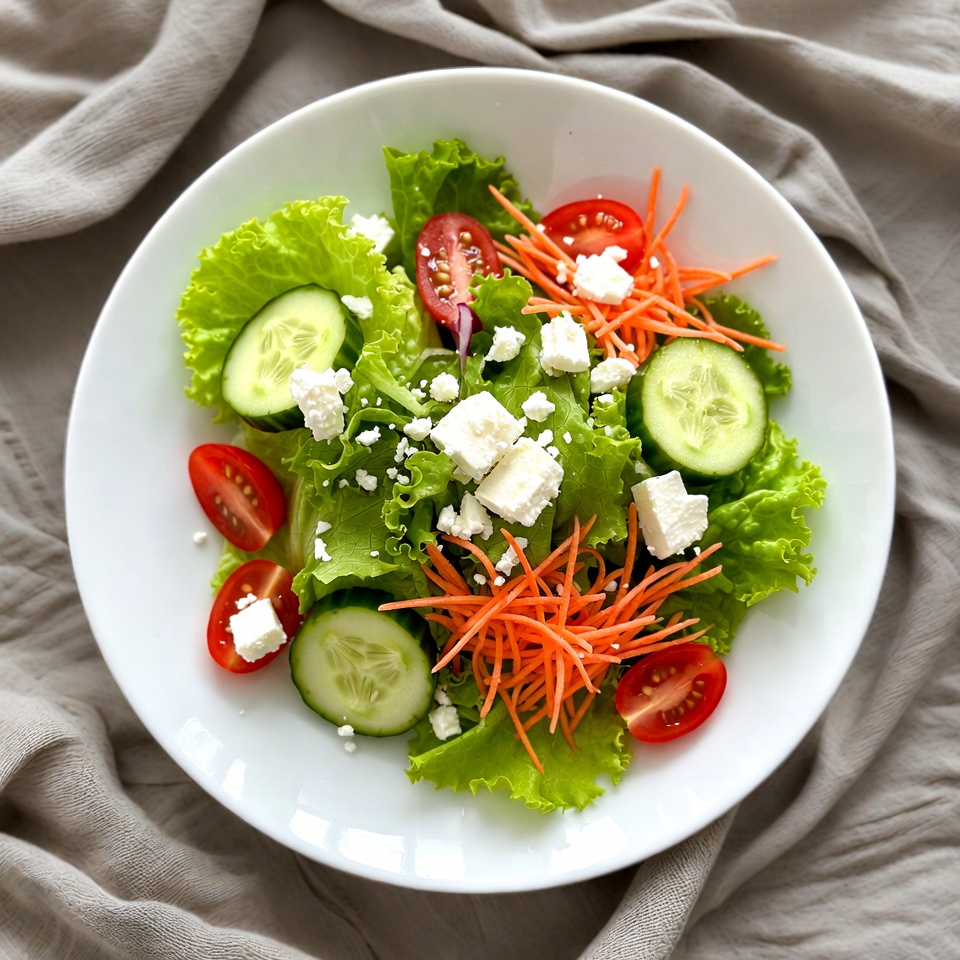
Avoid “mashing” your salad into a small bowl. Instead, use a wide, shallow platter to showcase the colors. Build height by lightly mounding the greens in the center rather than flattening them.
Garnish Ideas
- Edible Flowers: Pansies, nasturtiums, or chive blossoms.
- Microgreens: For an extra punch of concentrated nutrients.
- Toasted Seeds: Sunflower or pumpkin seeds for a nut-free crunch.
Beverage Pairings
- White Wine: A crisp Sauvignon Blanc or a dry Pinot Grigio complements the acidity of lemon vinaigrettes.
- Non-Alcoholic: Sparkling water infused with cucumber and mint.
5. Nutritional Information
Per serving (approximate for a standard garden spring salad with vinaigrette)
| Nutrient | Amount |
| Calories | 180 kcal |
| Total Fat | 14g |
| Saturated Fat | 2g |
| Carbohydrates | 12g |
| Fiber | 4g |
| Protein | 3g |
Health Benefits: High in Vitamin K, Vitamin C, and Folate. The healthy fats from olive oil aid in the absorption of fat-soluble vitamins found in leafy greens.
6. Storage and Reheating
- Refrigeration: Store undressed greens in a container lined with a damp paper towel. They will stay crisp for 3–5 days.
- Dressed Salads: These should be consumed within 1 hour. If you must store them, expect wilting.
- Freezing: Do not freeze fresh salads.
- Vinaigrettes: Store in a sealed jar for up to 2 weeks in the fridge. Bring to room temperature before shaking and serving.
7. Expert Tips and Variations
- The “Salt the Veggies” Rule: Lightly salt your watery vegetables (cucumbers, tomatoes) 10 minutes before adding them to the greens. Drain the excess liquid to prevent a soggy salad.
- Avoid the “Soggy Bottom”: Always dress the salad just before serving. Use the “finger test”—dip a leaf in the dressing; it should lightly coat the back, not drip off.
- Seasonal Adaptation: As spring turns to summer, swap peas for heirloom tomatoes and strawberries for peaches.
8. Ingredients Section
Yields 4 servings
The Base
- 4 cups (120g) Spring Mix (Mizuna, Tatsoi, Baby Red Leaf)
- 1 cup (30g) Fresh Pea Shoots
The Crunch
- 1/2 cup (75g) Sugar Snap Peas, sliced on a bias
- 4 Large Radishes, thinly sliced (approx. 50g)
- 1/4 cup (35g) Toasted Walnuts or Marcona Almonds
The Creamy Element
- 1/2 cup (60g) Crumbled Goat Cheese or Feta
The “Zing” Vinaigrette
- 3 tbsp Extra Virgin Olive Oil
- 1 tbsp Fresh Lemon Juice
- 1 tsp Honey or Agave
- 1/2 tsp Dijon Mustard
- Salt and Cracked Black Pepper to taste
9. Step-by-Step Instructions
- Prep the Greens: Wash greens in cold water and use a salad spinner until completely dry. If you don’t have a spinner, pat dry thoroughly with clean towels.
- Macerate the Onions (Optional): If using shallots or red onions, soak them in the lemon juice for 5 minutes to take away the “bite.”
- Emulsify the Dressing: Combine olive oil, lemon juice, honey, and mustard in a jar. Shake vigorously until the mixture is opaque and thickened.
- The Assembly: In your large mixing bowl, add the greens, radishes, and snap peas.
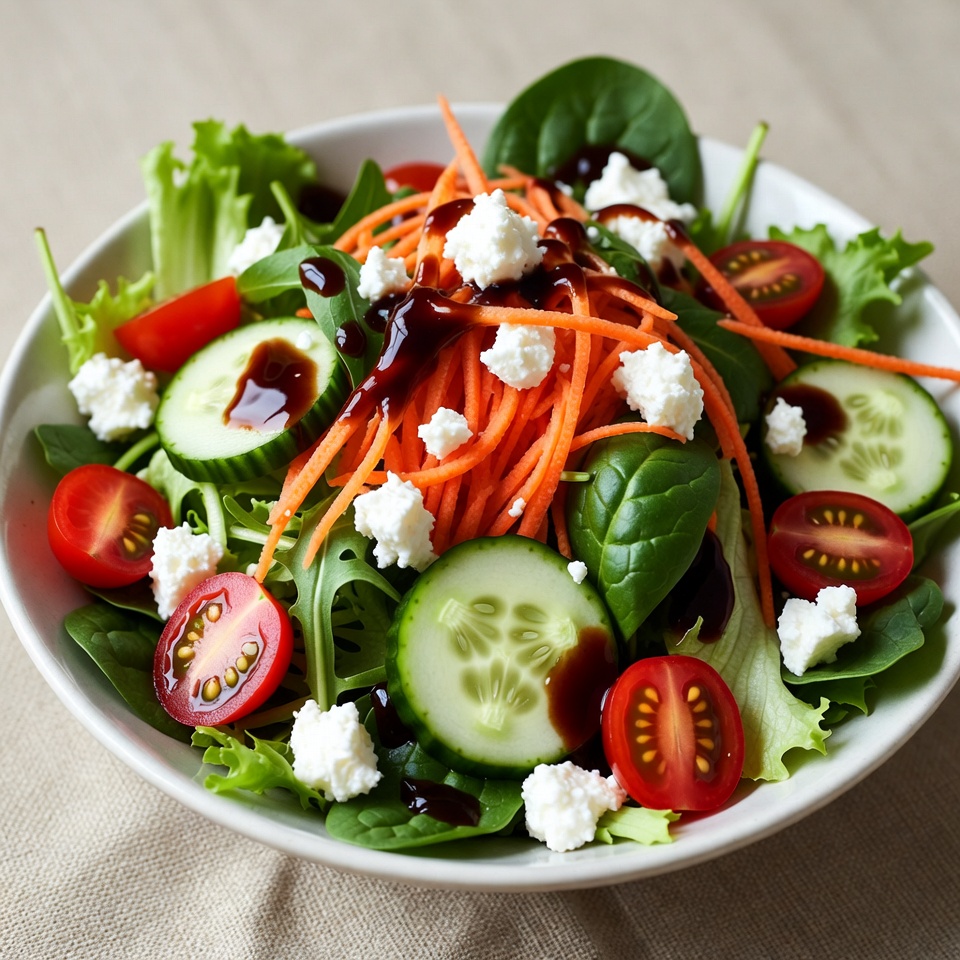
- The Toss: Drizzle half the dressing over the greens. Use your hands or large tongs to gently lift and turn the salad. Do not press down.
- The Final Touch: Add the cheese and nuts last. Give one final, very gentle toss to ensure they are distributed but not crushed.
- Taste Check: Taste one leaf. Does it need more salt? More acid? Adjust now before plating.
10. Frequently Asked Questions (FAQ)
Q: Can I make this salad ahead of time for a party?
A: Yes! Prep all the vegetables and the dressing separately. Keep the veggies in a bowl covered with a damp towel and the dressing in a jar. Toss them together the moment you are ready to eat.
Q: My vinaigrette solidified in the fridge. Is it spoiled?
A: Not at all! High-quality olive oil solidifies when cold. Simply leave it on the counter for 15 minutes or run the jar under warm water, then shake.
Q: What can I use if I don’t have lemon juice?
A: Champagne vinegar or White Balsamic vinegar are excellent substitutes that maintain the light “spring” profile.
Q: How do I keep radishes from tasting too spicy?
A: Slicing them paper-thin and soaking them in ice water for 10 minutes reduces the pungency and increases the “crunch” factor.