1. Introduction: The Vibrant Evolution of the Green Smoothie
There is a specific kind of magic that happens when you toss a handful of leafy greens into a high-speed blender with a frozen banana and a splash of almond milk. For many, the “green smoothie” was once a daunting health cliché—a murky, swamp-colored concoction that tasted more like a lawnmower’s bag than a breakfast. But today, the green smoothie has undergone a culinary renaissance.
The origin of the green smoothie is often credited to Victoria Boutenko in the early 2000s, who hypothesized that blending greens would break down the tough cellular walls of plants, making their nutrients more bioavailable. Since then, it has evolved from a niche health-nut staple into a global phenomenon. Whether it’s the “Glowing Green Smoothie” made famous by celebrity nutritionists or the tropical kale blends served at beachside cafes in Bali, these drinks represent a lifestyle of vitality and convenience.
This guide isn’t just about recipes; it’s about mastering the art of the blend. We’re exploring how to balance the bitterness of chlorophyll-rich leaves with the natural sugars of fruit and the creaminess of healthy fats. It’s a morning ritual, a post-workout recovery tool, and a delicious way to drink your salad without ever picking up a fork.
2. Recipe Overview
- Cuisine Type: Modern Wellness / American
- Difficulty Level: Easy (Beginner-friendly)
- Total Preparation Time: 5–10 minutes
- Dietary Classifications: Vegan, Vegetarian, Gluten-Free, Dairy-Free, Paleo-friendly, Raw Food.
3. Equipment and Tools
To achieve that signature silky-smooth texture, your equipment matters just as much as your ingredients.
- High-Speed Blender: A motor with at least 1,000 to 1,500 watts is recommended (e.g., Vitamix, Blendtec, or Ninja).
- Measuring Cups & Spoons: For precision, though “eyeballing” is common once you’re an expert.
- Silicone Spatula: Essential for scraping down the sides of the blender jar.
- Glass Jars/Tumblers: 16 oz to 24 oz (approx. 500–700 ml) capacity.
- Reusable Straws: Wide-diameter straws are best for thicker smoothies.
4. Serving Suggestions
A smoothie should be an experience for the senses.
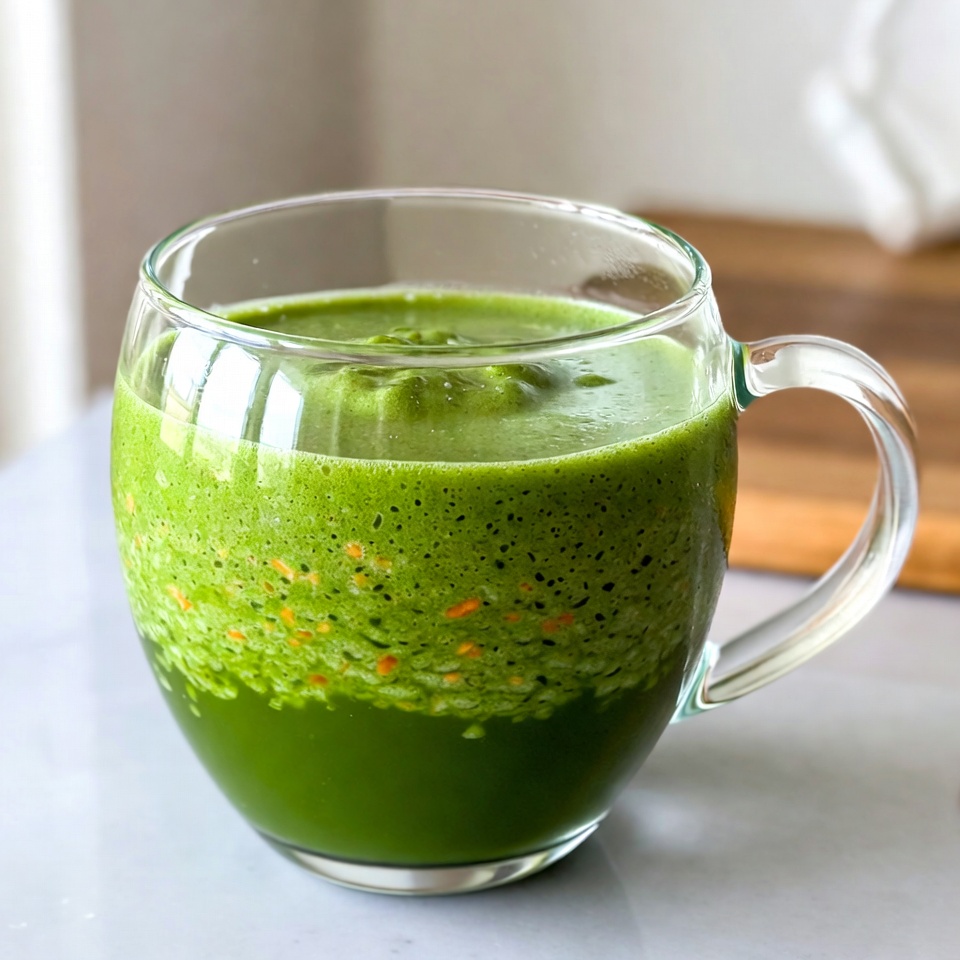
- Plating: Serve in a chilled glass or a Mason jar for an aesthetic, “farm-to-table” feel.
- Garnish: Top with a sprinkle of hemp hearts, a few pomegranate arils, or a thin slice of kiwi on the rim.
- Pairings: If using as a snack rather than a meal replacement, pair with a handful of raw almonds or a slice of sprouted grain toast with avocado.
- Smoothie Bowl Variation: Reduce the liquid by half to create a thick base, pour into a bowl, and top with granola, sliced strawberries, and a drizzle of almond butter.
5. Nutritional Information (Per 16 oz Serving – Average)
| Nutrient | Amount |
| Calories | 220–280 kcal |
| Total Fat | 5g – 9g |
| Carbohydrates | 35g – 45g |
| Fiber | 8g – 12g |
| Protein | 5g – 15g (with protein powder) |
| Vitamin A | 150% DV |
| Vitamin C | 120% DV |
| Iron | 15% DV |
Health Benefits: High in antioxidants, promotes digestive regularity via insoluble fiber, and provides a steady release of energy without the “sugar crash” associated with processed juices.
6. Storage and Reheating
While fresh is best, you can prep ahead:
- Refrigeration: Store in an airtight glass jar for up to 24 hours. Fill the jar to the very top to minimize oxidation (air contact). Shake well before drinking as separation is natural.
- Freezing: Pour the smoothie into silicone muffin tins or ice cube trays. Once frozen, transfer cubes to a bag. When ready to eat, pop the cubes back into the blender with a splash of water.
- Reheating: N/A (Smoothies are served cold).
7. Expert Tips and Variations
- The “Greens First” Rule: If you don’t have a high-speed blender, blend your greens and liquid first until there are no leafy bits left, then add your fruit.
- Creaminess Secret: Use frozen fruit (especially bananas or mango) instead of ice. Ice dilutes the flavor; frozen fruit creates a “soft-serve” texture.
- The “Zest” Factor: A squeeze of fresh lemon or lime juice cuts through the “earthy” taste of kale and prevents the fruit from browning.
- Seasonal Adaptation: In winter, add warming spices like ginger or cinnamon. In summer, use hydrating ingredients like cucumber or coconut water.
8. Ingredients Section
The Core Base (Choose One)
- 1 cup (240ml) Unsweetened Almond Milk
- 1 cup (240ml) Coconut Water
- 1 cup (240ml) Filtered Water with a squeeze of Lemon
The Leafy Greens (2 Packed Cups)
- Baby Spinach (Mildest flavor)
- Lacinato Kale (Dino Kale) – Remove the tough center rib.
- Swiss Chard or Romaine Lettuce.
The Fruit Component (1 to 1.5 Cups)
- 1 Frozen Banana (provides sweetness and creaminess)
- ½ cup Frozen Mango or Pineapple (for a tropical flair)
- ½ Green Apple (adds tartness)
The “Boosters” (Optional but Recommended)
- 1 tbsp Chia Seeds or Flax Seeds (Omega-3s)
- 1 tsp Fresh Grated Ginger (Digestion)
- ¼ Ripe Avocado (Healthy fats)
9. Step-by-Step Instructions
- Liquid Foundation: Add your liquid base to the blender first. This prevents the blades from getting stuck and ensures a smoother vortex.
- Add the Greens: Pack your spinach or kale on top of the liquid.
- The “Heavy” Ingredients: Add your frozen fruits, avocado, and any powders (protein or superfoods). The weight of the frozen fruit helps push the greens into the blades.
- The Slow Start: Start your blender on the lowest speed setting. Once the blades have caught the ingredients, slowly increase to the highest speed.
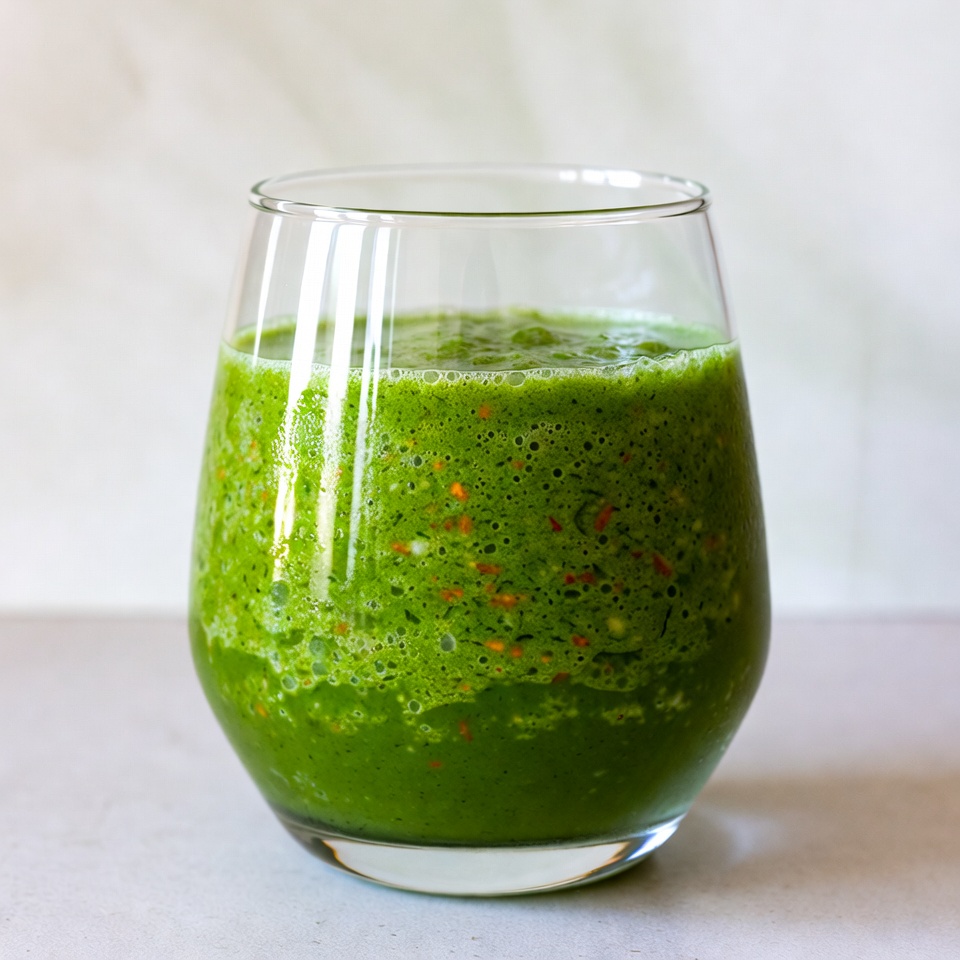
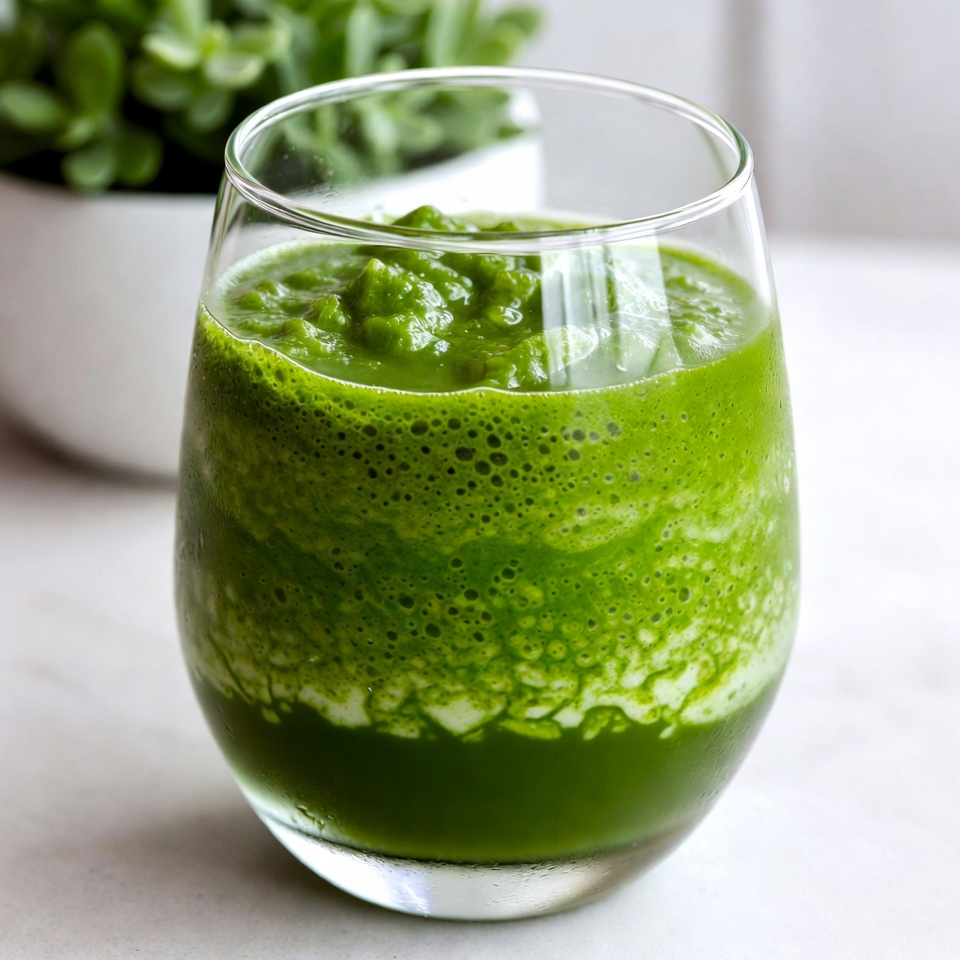
- The High-Speed Blitz: Blend on high for 45–60 seconds. You are looking for a completely uniform, vibrant green color with no visible “flecks” of leaves.
- Consistency Check: If it’s too thick, add liquid 2 tablespoons at a time. If too thin, add 2–3 ice cubes or more frozen fruit.
- Final Touch: Taste a small spoonful. If it’s too “green,” add a touch of honey or another slice of frozen banana and pulse again.
10. Frequently Asked Questions (FAQ)
Q: Can I use frozen greens?
A: Absolutely! Frozen spinach is great for smoothies and often lasts longer. Use slightly less than you would fresh, as frozen greens are more condensed.
Q: How do I stop my smoothie from tasting like grass?
A: Balance is key. Use “gateway greens” like baby spinach, which is virtually tasteless when mixed with sweet fruits like pineapple or banana. Adding a squeeze of citrus (lemon/lime) also neutralizes the chlorophyll flavor.
Q: Is it okay to drink a green smoothie every day?
A: Generally, yes. However, it is a good idea to rotate your greens (e.g., spinach one week, kale the next) to avoid a buildup of oxalates and to ensure a variety of micronutrients.
Q: Will this help me lose weight?
A: Green smoothies are high in fiber, which keeps you full longer. When used as a replacement for a high-calorie, processed breakfast, they can certainly support weight management goals.
Q: Can I make this without a banana?
A: Yes. Use frozen mango, steamed and frozen cauliflower (it’s tasteless!), or a quarter of an avocado to maintain that creamy texture without the banana flavor or sugar.